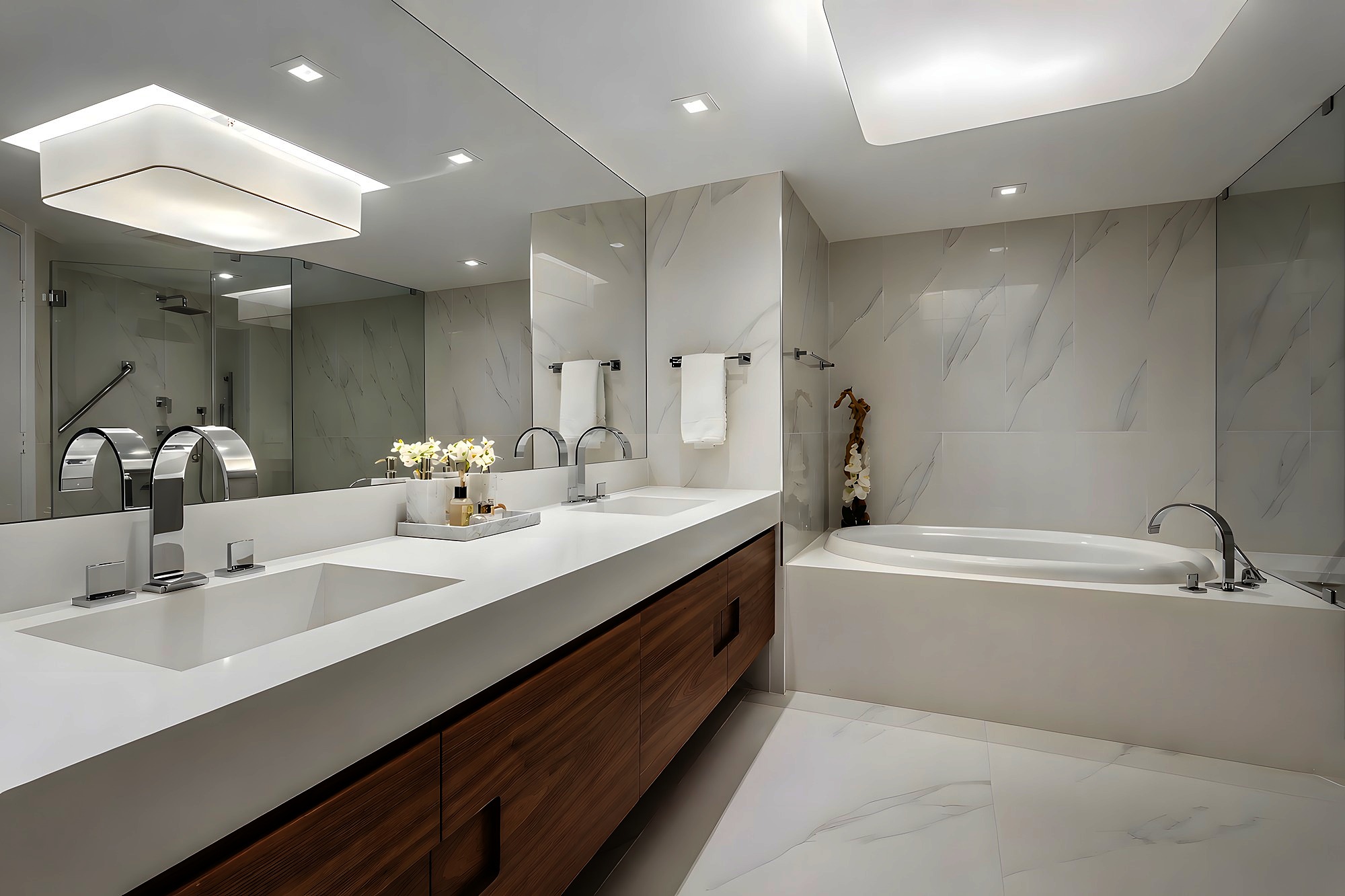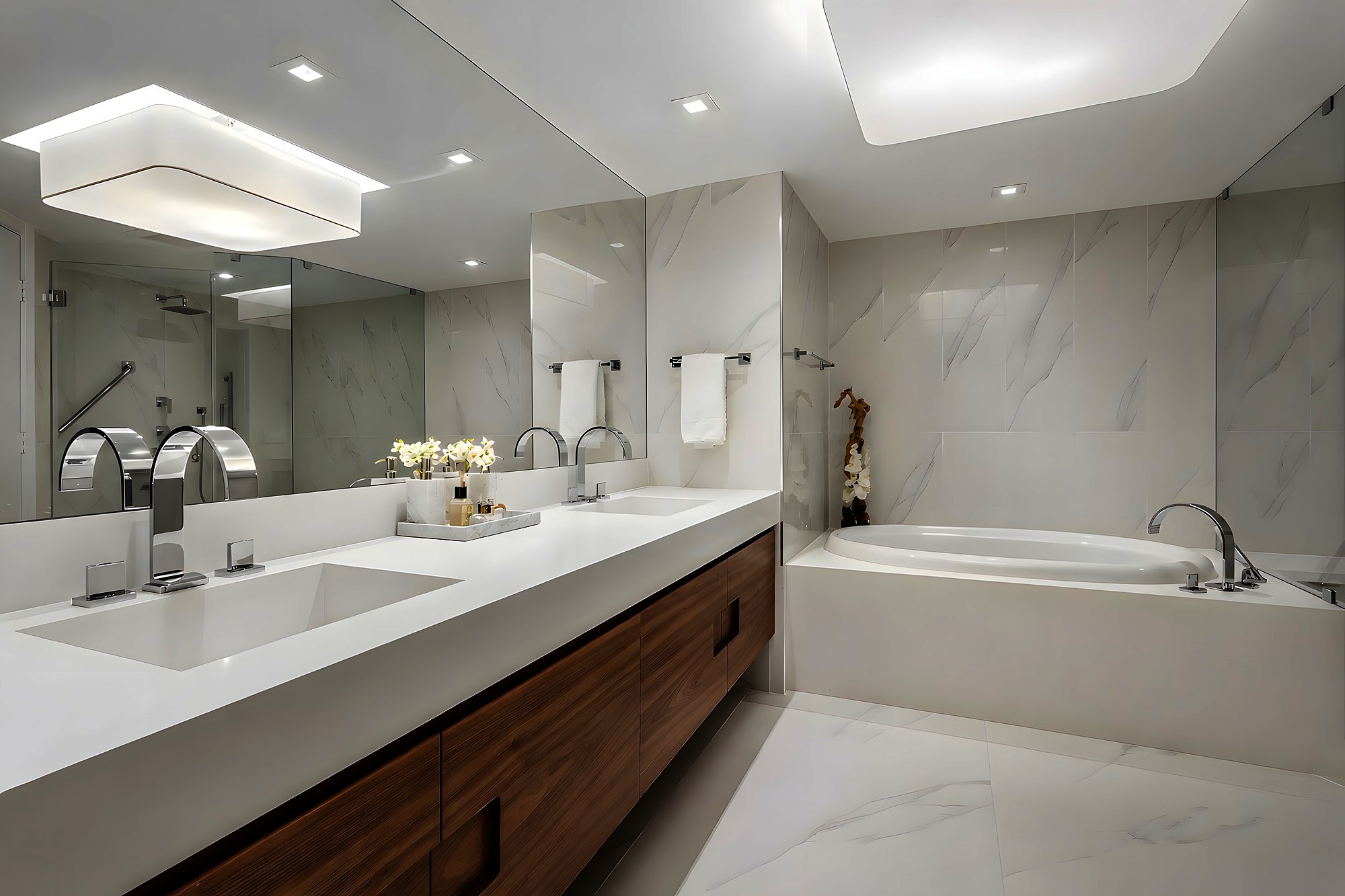
Marble countertops are some of the most beautiful surfaces you can put in a home — and we install them in kitchens and bathrooms across South Florida every month. But marble is also the most demanding stone we work with, and Florida's humidity makes proper care even more important.
If you have marble counters or you're thinking about installing them, here's everything you need to know about keeping them looking new.
What Makes Marble Different
Marble is a soft, porous, calcium-based natural stone. Compared to granite or quartz, marble:
- Scratches more easily — a hard knife or dropped tool can leave a mark
- Etches when it touches acid — even a splash of lemon juice or wine can leave a dull spot
- Stains more readily — oil, coffee, and red wine can sink in if not sealed
- Reacts to humidity — Florida's air can cause unsealed marble to develop water marks faster
That's the bad news. The good news: with the right care, marble countertops can look stunning for decades — and the natural patina they develop over time is actually part of the appeal for many homeowners.
Why People Still Choose Marble in Florida
Despite the maintenance, marble remains popular in South Florida because:
- Nothing else looks like it. Real marble has a depth, translucency, and elegance no engineered product can match.
- It stays cool. Marble's natural cool surface is perfect for baking — and it's especially appreciated in Miami's heat.
- It adds value. A well-installed marble kitchen or master bath is a statement piece that buyers love.
- It ages gracefully. Many marble owners actually love the soft patina that develops over years of use.
If you're not the type who panics about every little mark, marble can be one of the most rewarding stones in your home.
Step 1: Seal It Properly
This is the most important thing you can do for marble in Florida. Marble must be sealed before you use it, and re-sealed every 6-12 months.
What sealing does: It fills the microscopic pores in the stone so liquids don't soak in. It doesn't make marble bulletproof, but it gives you time to clean up spills before they cause damage.
We seal every marble countertop we install before handing the keys back to the homeowner. After that, you'll want to re-seal yourself.
How to test if your marble needs resealing:
- Drop a small amount of water on the surface
- Wait 5 minutes
- Wipe it away
- If the marble darkened where the water sat, it needs sealing
If you can't remember when you last sealed it, it's time.
Sealing kits are available at any home improvement store for $20-$40 and take about 15 minutes to apply. Or call us and we'll come reseal it for you.
Step 2: Clean It Daily — But Carefully
Do:
- Wipe with warm water and a soft cloth
- Use a pH-neutral stone cleaner (Method, Granite Gold, or any stone-safe brand)
- Dry the surface after cleaning to prevent water spots
Don't:
- Use vinegar, lemon, or any acidic cleaner
- Use abrasive sponges, steel wool, or scouring pads
- Use bathroom cleaner (it's almost always acidic)
- Use Magic Erasers (they're mildly abrasive)
The biggest mistake we see is people using "kitchen cleaner" sprays from the grocery store. Most of them have citric acid or vinegar that will slowly etch your marble. Stick with stone-safe cleaners only.
Step 3: Wipe Spills Immediately
This is the rule that matters most. Don't let spills sit.
The biggest threats to marble are:
- Acidic foods — citrus, tomatoes, vinegar, wine, coffee
- Oils — olive oil, butter, salad dressing
- Colored liquids — wine, coffee, juice
If you spill any of these, blot (don't wipe) immediately with a damp cloth, then dry. The longer it sits, the higher the chance of an etch or stain.
Pro tip: Keep a soft microfiber cloth in a drawer near your marble counter so it's always within reach.
Step 4: Use Cutting Boards and Trivets
Always cut on a cutting board. Even though marble is hard, knives will scratch it. And the marble will dull your knives.
Always use trivets for hot pans. Marble can handle heat better than quartz, but extreme temperature changes can cause stress fractures over time. A simple trivet protects your investment.
Use coasters under glasses. Especially wine glasses and coffee cups.
Florida-Specific: Dealing with Humidity
South Florida's humidity (often 70-90%) creates two unique challenges for marble:
1. Water Spots Form Faster
In humid weather, water sitting on marble takes longer to evaporate, which means it has more time to leave a mark. Always dry your counters after cleaning — don't let them air-dry.
2. Mildew in Bathroom Marble
Marble in master baths can develop mildew in the grout lines or seams if the bathroom isn't ventilated. Run your bathroom fan during and after showers, and wipe down the marble after use.
We also recommend an annual deep-clean for marble bath countertops where you scrub the seams with a stone-safe brush.
What to Do When Damage Happens
Etches (dull spots from acid): Light etches can sometimes be polished out with a marble polishing powder or paste. Deeper etches may require a professional refinish. Call us if you have a noticeable etch — we can often buff it out without replacing the slab.
Stains: Apply a poultice (a paste of baking soda and water, or hydrogen peroxide and flour). Cover the stain with the paste, cover that with plastic wrap, and let it sit for 24-48 hours. The poultice draws the stain up out of the stone. Wipe clean and reseal.
Scratches and chips: Minor scratches can sometimes be polished out. Chips need professional repair — we use a color-matched epoxy that becomes nearly invisible.
Cracks: Cracks usually mean the slab needs to be replaced or repaired by a professional. Don't try to fill them yourself — call us.
When NOT to Use Marble
We're honest about this with our customers. Marble might not be the right choice if:
- You have young kids who spill constantly
- You cook with a lot of acidic ingredients (lots of tomatoes, lemons, vinegars)
- You hate the idea of any maintenance
- You want a kitchen that looks brand new forever
- You're installing outdoors (sun and rain are tough on marble)
For any of those situations, we'd recommend quartzite (which looks similar to marble but is much more durable) or quartz (which can mimic marble looks without any maintenance).
When Marble IS the Right Choice
Marble shines when:
- You love the look and don't mind some patina
- You want a master bathroom that feels like a luxury hotel
- You're a baker and want a cool natural surface
- You're restoring a historic or traditional home
- You appreciate that natural materials change over time
Need Help?
Becca Proworks installs marble counters in kitchens and bathrooms throughout South Florida. We've worked with everything from Carrara to Calacatta to Statuario, and we can help you pick the right marble (and the right finish — polished vs honed) for your space.
If you already have marble counters and need help with maintenance, sealing, or repair, give us a call at (786) 468-5078 or request a free consultation. We service all of Miami-Dade, Broward, and Palm Beach counties.